
4 Ways Chiropractors Relieve Back Pain
Chiropractic care is a unique approach that focuses on diagnosing and treating mechanical disorders of the musculoskeletal system, especially the spine. Its primary goal is to reduce pain and enhance patient functionality through various techniques and methodologies. Understanding these techniques can help patients make informed decisions about their treatment options, especially considering chronic back pain affects over 65 million Americans, according to The Gallup Organization. As we delve into these techniques, the aim is to highlight the comprehensive approach of chiropractic care and its positive impact on patients' lives.
1. Spinal Manipulation Techniques
1.1 Understanding Spinal Adjustments
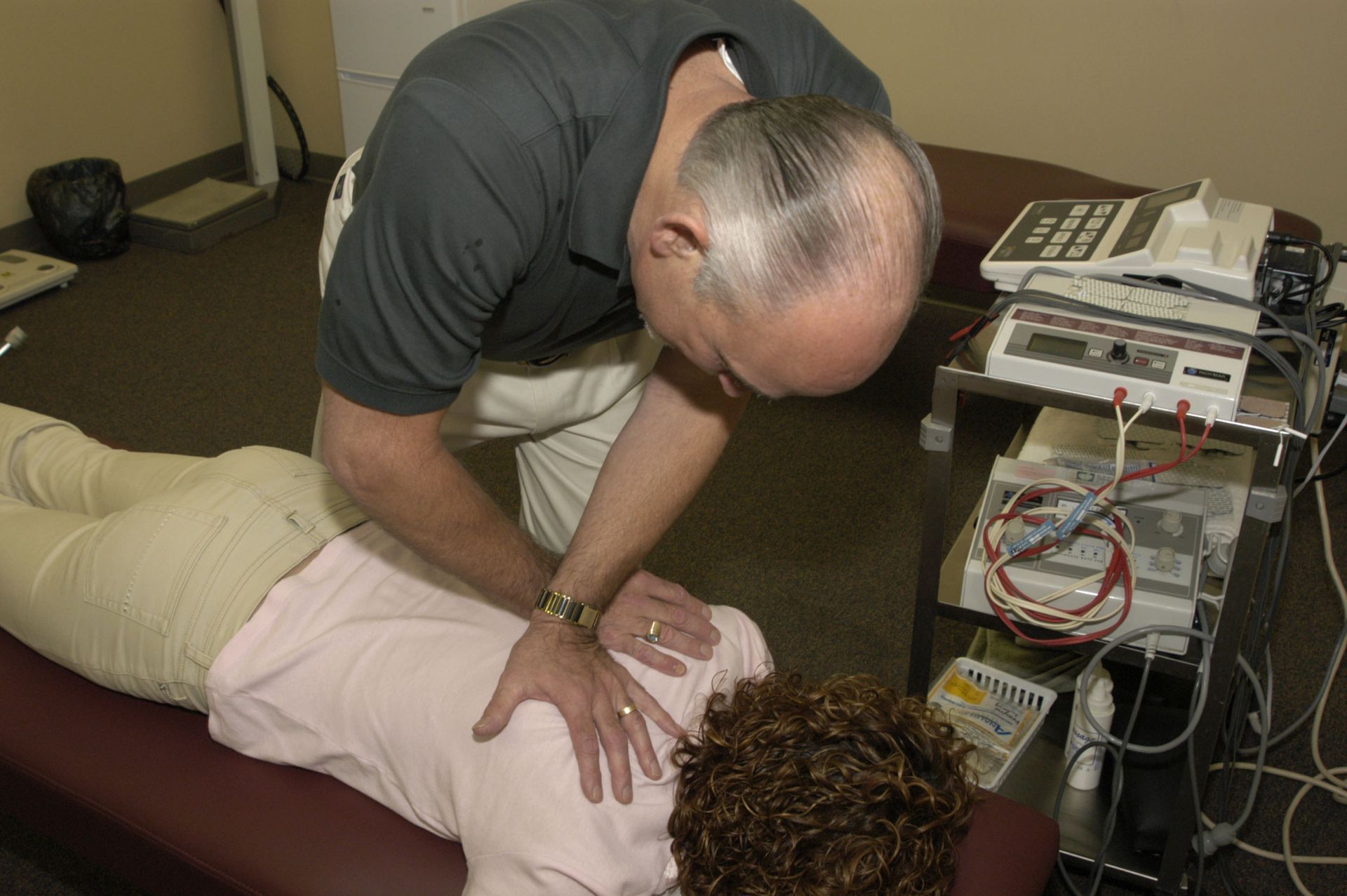
Spinal manipulation, also known as chiropractic adjustment, is a technique where chiropractors use their hands or small instruments to apply controlled force to a spinal joint. This treatment aims to improve spinal motion and physical function. By realigning the spinal vertebrae, pressure on the nerves is relieved, reducing pain and discomfort. The effectiveness of spinal adjustments is supported by evidence suggesting that it can be beneficial for acute lower back pain. As millions seek relief from chronic pain, spinal adjustments provide a viable option.
1.2 Benefits of Manual Manipulation
Manual manipulation offers several benefits, including immediate pain relief and enhanced mobility. Patients often experience increased range of motion and decreased muscle tension after adjustments. The non-invasive nature of this technique minimizes risks associated with surgical procedures and medication side effects. Moreover, regular chiropractic sessions can contribute to overall wellness and prevent future pain episodes. This proactive approach empowers patients to take control of their health outcomes.
1.3 Different Styles of Adjustments (Diversified, Gonstead, Activator)
Chiropractors employ various adjustment styles tailored to patient-specific needs, including the Diversified technique, Gonstead method, and Activator approach. The Diversified technique is a widely used method involving high-velocity, low-amplitude thrusts, suitable for realigning spinal joints. In contrast, the Gonstead method focuses on hands-on manipulation with particular attention to biomechanical analysis. The Activator approach uses a handheld device to deliver gentle, low-force adjustments, making it ideal for sensitive patients or those requiring precision.
1.4 Potential Risks and Safety Measures
While spinal manipulation is generally safe, it is not without risks, which include potential soreness or temporary discomfort. Chiropractors take comprehensive patient histories and thorough assessments to mitigate risks and ensure patient safety. In rare instances, spinal manipulation could lead to complications such as herniated discs or nerve compression, highlighting the need for skilled practitioners. Patient education is crucial, allowing informed decisions and fostering trust in chiropractic care. Open communication between patients and chiropractors further enhances treatment safety and effectiveness.
2. Soft Tissue Therapy
2.1 Role of Massage in Back Pain Relief
Soft tissue therapy, including massage, plays a pivotal role in alleviating back pain by targeting muscles, ligaments, and tendons. Chiropractic care incorporates massage techniques to release tension, improve circulation, and promote relaxation. This integration enhances the effect of spinal adjustments and accelerates recovery. Massage therapy also aids in reducing stress and anxiety, which are commonly associated with chronic pain conditions. As a complementary tool in pain management, massage offers a holistic approach to wellness.
2.2 Myofascial Release Techniques
Myofascial release techniques focus on relieving tension in the connective tissue, addressing chronic pain, and improving mobility. Chiropractors employ these techniques to elongate the fascia, breaking down scar tissue and adhesions that contribute to discomfort. This hands-on therapy targets specific areas, promoting the release of deep-seated muscle tension. Patients often report heightened flexibility and reduced discomfort following myofascial release sessions. As an adjunct to chiropractic adjustments, these techniques contribute significantly to patient recovery.
2.3 Trigger Point Therapy Explained
Trigger point therapy focuses on eradicating painful nodules within muscle tissue that cause referred pain. Chiropractors identify and manipulate these trigger points through varying pressure techniques to alleviate pain and encourage muscle relaxation. This method enhances the communication between the nervous system and muscles, thus improving overall function and reducing discomfort. The effectiveness of trigger point therapy is well-documented in treating myofascial pain syndrome, a common culprit in back pain. This targeted approach complements comprehensive chiropractic care.
2.4 Comparing Deep Tissue vs. Gentle Touch Methods
Deep tissue massage and gentle touch methods serve distinct purposes within chiropractic soft tissue therapy. Deep tissue focuses on reaching the innermost layers of muscle and connective tissue to address chronic tension. It is particularly beneficial for patients suffering from sustained muscle pain and stiffness. In contrast, gentle touch methods, such as Swedish massage, provide relaxation and stress reduction without the intensity of deep tissue techniques. Chiropractors tailor these approaches based on individual patient needs, ensuring optimized treatment outcomes.
3. Exercise and Rehabilitation
3.1 Importance of Personalized Exercise Plans
Tailored exercise plans are critical in chiropractic rehabilitation for addressing individual patient needs. These plans aim to enhance strength, flexibility, and overall spinal health. Chiropractors carefully design exercises that take into account a patient's condition, lifestyle, and recovery goals. Through consistent implementation, patients can anticipate improved posture, reduced pain, and enhanced functional capacity. Personalized exercise plans empower patients to take an active role in their recovery and long-term spinal health.
3.2 Role of Strengthening and Stretching in Recovery
Strengthening and stretching exercises are foundational components of chiropractic rehabilitation. Strengthening routines focus on building muscle support around the spine, reducing the risk of injury and enhancing stability. Stretching, conversely, addresses muscle tension and promotes flexibility, critical for maintaining a healthy range of motion. Together, these exercises mitigate pain and prevent recurrence by promoting balanced muscle groups. An emphasis on both restructuring and flexibility ensures comprehensive recovery and prevents future discomfort.
3.3 Utilizing Advanced Equipment for Recovery
Advanced equipment such as resistance bands, stabilization balls, and therapeutic exercise machines play pivotal roles in chiropractic rehabilitation. These tools complement manual techniques, providing controlled resistance and support for targeted exercises. Their use enables precise, safe engagement of muscle groups, optimizing recovery. Equipment aids in fine-tuning movements to cater to patient-specific rehabilitation requirements. The integration of advanced tools elevates exercise efficacy, ensuring optimal patient outcomes in the recovery process.
4. Ergonomic Coaching and Lifestyle Changes
4.1 Identifying Poor Posture Habits
Proper posture is integral to spinal health, and chiropractors play a crucial role in identifying and correcting poor posture habits. Incorrect posture places undue stress on the spine and muscles, exacerbating back pain conditions. During ergonomic coaching, chiropractors educate patients on recognizing and rectifying harmful postural tendencies. Addressing posture is an essential step in preventing back pain and maintaining spinal health. With expert guidance, patients can achieve the postural awareness required for long-term health improvements.
4.2 Creating Ergonomic Work Environments
Chiropractic-led ergonomic assessments focus on optimizing work environments to promote proper posture and minimize strain. Adjusting workstation setups, including desk height and chair ergonomics, can substantially reduce back and neck discomfort. Chiropractors provide practical recommendations for creating spaces that support spinal alignment and minimize repetitive stress. By fostering ergonomic work environments, patients reduce the risk of workplace injury and enhance productivity. The long-term benefits of proper ergonomics illustrate the importance of chiropractors in workplace optimization.
4.3 Daily Habits to Prevent Back Pain
Lifestyle modifications play a pivotal role in preventing back pain and supporting overall spinal health. Chiropractors educate patients on incorporating daily habits such as regular exercise, standing breaks, and proper lifting techniques. Adopting these practices foster resilience against chronic back issues and enhance wellbeing. Small changes, such as maintaining optimal hydration or adjusting sleep postures, offer substantial benefits for back health. Empowering patients with knowledge facilitates proactive long-term management of back pain conditions.
Chiropractors employ a multitude of techniques to alleviate back pain, underscoring the importance of a holistic, non-invasive approach. From spinal manipulation to advanced technology, chiropractic care addresses varied aspects of pain and health. Integrating nutrition, ergonomic changes, and personalized rehabilitation ensures patients receive comprehensive support throughout their recovery journeys. The synergy between chiropractic methods and other therapeutic interventions fosters optimal health outcomes. With chronic back pain affecting so many people, the demand for effective, sustainable pain relief solutions remains significant. If you're looking for a chiropractor, contact Stitt Chiropractic today.








Share On: